

Home Blog

How Sponsored Posts Are Changing the Digital Creator Economy

0

Key Takeaways

  • Sponsored content has become one of the most reliable revenue sources for digital creators.
  • Understanding the balance between authentic content and paid partnerships is essential for long-term growth.
  • Brands are seeking out micro- and nano-influencers for their engaged audiences.
  • Creators must be transparent about partnerships to maintain audience trust.
  • Platforms and algorithms continually shape how sponsored content is discovered.
  • Data-driven insights reveal the growing financial impact of influencer marketing globally.

Introduction to Sponsored Posts and the Creator Economy

Sponsored posts, which are pieces of online content created in partnership with brands, have become a cornerstone of the digital creator economy. Whether shared via blogs, YouTube, Instagram, or TikTok, these collaborations allow creators to monetize their reach and creativity by featuring products or services to their followers in a natural, engaging way. As social platforms have grown, so has the influence of digital creators, who now drive trends, shape consumer choices, and help brands connect authentically with new audiences.

The creator economy, once dominated by a handful of mega-influencers, has evolved into a dynamic ecosystem where individuals of all follower counts can find lucrative opportunities through Valued Voice sponsored content opportunities. With the right platform, creators can access a steady stream of brand collaborations tailored to their niche and audience. This diversifies their income and helps them build long-term partnerships with brands that align with their values. For many creators, sponsored content has become a sustainable way to turn passion into a profession.

The Appeal of Sponsored Content for Digital Creators

Digital creators have access to diverse monetization channels: ad revenue sharing, fan memberships, merchandise, and direct donations, to name a few. However, sponsored posts stand out due to their versatility and lucrative potential. They can provide consistent income without the unpredictability of ad algorithms or the need for a massive subscriber count. Sponsored content also empowers creators to be selective, enabling them to choose partnerships that align with their personal brand and values, which often results in more meaningful and sustainable long-term growth. For many, sponsored content strikes an optimal balance between creative integrity and financial reward. Unlike traditional advertising, it allows creators to integrate products into their storytelling, maintaining both audience interest and personal authenticity.

How Sponsored Posts Benefit Brands and Audiences

Sponsored posts offer unique value for brands aiming to bypass ad blockers and “banner blindness.” By collaborating with creators who understand their audiences, brands can cultivate authentic connections and drive higher trust and engagement. This shift is crucial as consumers increasingly seek genuine recommendations from voices they trust, rather than overt brand messaging. For audiences, sponsored content can be a source of value when executed well, introducing them to products and services that fit their interests and lifestyles. It is important, however, that creators are transparent and only promote products they believe in to avoid eroding viewer trust. This kind of transactional authenticity is driving a new era in influencer marketing.

The Balance Between Authenticity and Promotion

Striking the right balance between authentic content and paid promotion is both an art and a science. Creators who seamlessly integrate brand messages into their storytelling tend to keep their audiences engaged and loyal. For example, sharing a genuine experience with a product while highlighting its features resonates far better—and feels less intrusive—than generic endorsements. Conversely, forced or irrelevant sponsored content can damage trust and lead to audience attrition, as seen in various social media controversies over the years. The best content creators set clear boundaries and only accept sponsorships that align with their values, making it easier to maintain transparency and authenticity in every promotion.

Data and Trends Powering Influencer Marketing

The influencer marketing industry is experiencing exponential growth worldwide. The global influencer marketing market size reached $21.1 billion in 2023, up from $16.4 billion in 2022. Marketers are investing more than ever in digital talent, with over 80% considering influencer marketing an essential or top priority. The data points to a surging demand for creators who can deliver ROI through tailored, audience-first content.

The Rise of Micro-Influencers

Micro-influencers, typically defined as creators with audiences between 10,000 and 100,000 followers, are in higher demand than ever. Brands are drawn to their niche authority and more engaged communities, which often yield better conversion rates compared to celebrity influencers. These creators often maintain closer relationships with their followers, driving higher levels of trust and response to branded partnerships. As a result, a growing number of brands are allocating budgets specifically for micro- and nano-influencers, fostering more diverse and authentic voices in marketing campaigns.

Transparency and Disclosure in Sponsored Content

Regulatory bodies like the Federal Trade Commission (FTC) in the United States have established clear guidelines around disclosure, requiring creators to clearly identify sponsored content. Ethical creators see this as an opportunity rather than a hurdle, knowing that transparency protects both sides legally and builds lasting trust with their followers. The best practices—such as using #ad or #sponsored—are outlined in the FTC’s disclosure guidelines.

Research shows that transparent sponsorships foster greater loyalty and engagement, ensuring that sponsored content remains a credible and valued part of the creator economy.

What the Future Holds for Sponsored Posts

The next phase of sponsored content promises even greater personalization. With technologies like AI and advanced analytics, both creators and brands can tailor messages more precisely to niche audiences. Emerging platforms such as Threads and continued changes in platform algorithms will also influence how creators distribute and monetize content. As new formats—such as short-form video and interactive posts—gain traction, adaptability will be key for creators looking to succeed in the years ahead. The convergence of creators, brands, and audiences in shared digital communities hints at a future where sponsored content is both more sophisticated and more integral to online culture.

Conclusion: Sponsored Content’s Lasting Impact

Sponsored posts have revolutionized the digital creator economy by creating viable and scalable income streams for content creators of all backgrounds. The keys to long-term success lie in authenticity, transparency, and adaptation as the digital landscape evolves. Sustainable growth will depend on creators’ ability to foster trust while leveraging the opportunities presented by evolving platforms, technologies, and consumer trends. Ultimately, sponsored content is set to remain a defining, positive force in the future of online creativity.
How to Set a Real Estate Budget You Can Stick To

0

Purchasing a home is a landmark achievement, but setting a sustainable real estate budget is critical for long-term happiness and financial stability. The journey to successful homeownership starts with practical planning, informed guidance, and realistic expectations. Consulting with a trusted professional such as a Dedham MA real estate agent Elena Price can help clarify your financial limits and make your home search more efficient.

Establishing a budget isn’t just about setting an upper purchase limit. It’s about understanding the nuances of homeownership costs, preparing for the unexpected, and aligning your home goals with your overall financial well-being. With a proactive approach, you’ll be able to find a property you love without the stress of unmanageable monthly payments.

Assess Your Financial Health

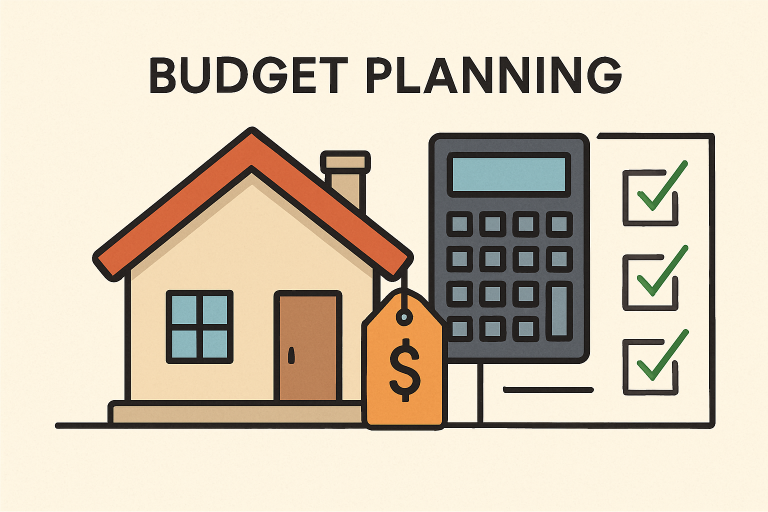
Before you begin looking at listings, outline your complete financial picture. Start by calculating your total monthly income, and then subtract all essential expenses—this includes debts, groceries, transportation, childcare, recurring subscriptions, and discretionary spending. Be honest about your habits and look for expenses you may have overlooked. Understanding your true financial position is the foundation for establishing how much you can safely spend on housing.

Remember to include any irregular income or bonuses in your calculations, and consider how changes in your financial situation (such as a job change or new family member) might impact your budget. The more detailed your assessment, the stronger your homebuying position will be.

Understand the 28/36 Rule

The 28/36 rule is a tried-and-true guideline to help prevent financial overreach. According to this rule, no more than 28% of your gross monthly income should go toward housing expenses, including your mortgage payment, property taxes, insurance, and HOA fees. Meanwhile, your total monthly debt—housing plus other obligations—should not exceed 36% of your gross income. Sticking to this rule helps ensure you maintain a healthy, flexible budget and avoid the pitfalls of taking on too much debt. For more detailed information, review the 28/36 rule for home affordability.

Account for All Homeownership Costs

When estimating your real estate budget, factor in all recurring and potential costs, not just the mortgage payment. Hidden or unexpected expenses can strain your finances if you don’t plan for them:

  • Property Taxes: Rates fluctuate depending on where you live and can substantially influence what you pay monthly.
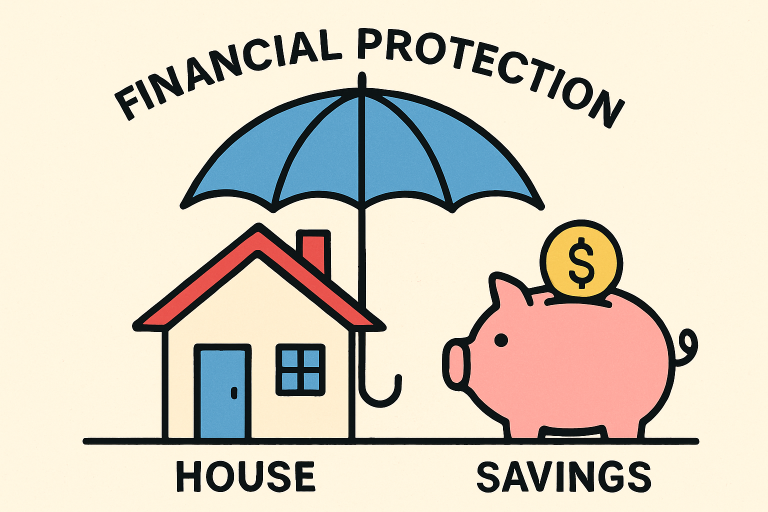
  • Homeowners Insurance: Necessary for protecting your investment from damage, theft, or liability risks.
  • Maintenance and Repairs: Everything from minor fixes to major replacements (like a new roof) will come up over time.
  • Utilities and HOA Fees: Water, electricity, gas, trash pickup, internet, and community association fees are ongoing costs many buyers underestimate.

By planning for these expenditures upfront, you’ll build a buffer against surprise bills and keep your housing finances on solid ground.

Set a Realistic Down Payment Goal

Although the “20% down” standard remains common advice, many buyers today opt for smaller down payments, thanks to flexible loan programs. Putting down more money can significantly lower your monthly mortgage bills and potentially eliminate private mortgage insurance (PMI)—but the right amount depends on your savings, other financial priorities, and current market conditions. Review your accounts to determine what you can afford without draining your financial safety net, and select a down payment goal that keeps you comfortable both now and in the years ahead.

Plan for Closing Costs and Moving Expenses

Closing costs typically range from 2% to 5% of the purchase price and cover essentials like title searches, loan origination, inspections, and attorney fees. Don’t overlook moving expenses, which can vary from a few hundred to several thousand dollars depending on the distance and how much help you’ll need. Budgeting for these “one-time” costs in advance helps you avoid unexpected last-minute stress and allows a smoother transition into your new home.

Build an Emergency Fund

Emergencies can crop up at any time, whether it’s a leaking pipe or a job loss. Secure your financial future by maintaining an emergency fund that covers at least three to six months of living expenses. This cushion is especially critical for homeowners, who are solely responsible for repair costs and maintenance issues. With a fully funded emergency reserve, you can handle surprises without sacrificing your mortgage or financial health.

Utilize Budgeting Tools and Resources

Modern technology makes sticking to a real estate budget much easier. Popular financial apps like Mint and YNAB (You Need A Budget) help you monitor your spending, automate savings, and visualize how real estate expenses fit into your overall financial goals. These tools offer tailored advice, goal tracking, and reminders so your plan stays top of mind throughout your home search and beyond.

Regularly Review and Adjust Your Budget

Financial situations and priorities change over time, so make it a habit to review your real estate budget at least annually—or whenever you have a major life event. Adjust your spending, recalculate costs, and revisit your savings goals based on current circumstances. This proactive management ensures ongoing alignment with your needs, helping you continue to excel on the path to homeownership.

Setting a firm, realistic real estate budget is a foundational step in your homebuying journey. By following these strategies, staying flexible, and using expert resources, you’ll confidently find a home that fits your lifestyle and financial needs—now and for years to come.

Why Building an Emergency Fund Should Come Before Buying a Home

0

Why an Emergency Fund is Foundational for Homebuyers

Before you set your sights on a new house, ensuring you have a strong financial cushion is critical. An emergency fund is a dedicated stash of money to cover unexpected expenses or financial emergencies—job loss, medical bills, or urgent home repairs. This fund is your financial safety net, giving you the confidence and flexibility to handle life’s curveballs without tapping into credit cards or jeopardizing your long-term goals. West Palm Beach real estate experts Renny Realty emphasize that proper financial preparation helps buyers navigate homebuying more smoothly.

Buying a home comes with surprise costs: home inspections that reveal pricey repairs, last-minute closing fee adjustments, or utility deposits you hadn’t budgeted for.

The Financial Risks of Homeownership Without a Safety Net

Leaping into homeownership without a financial cushion is risky. What if you lose your job or face a sudden health challenge? Home-related emergencies, like a busted air conditioner or flooded bathroom, can crop up at any time—and often at the worst moments. A recent study showed that only 44% of Americans could comfortably cover a $1,000 emergency expense out of pocket.

Many new homeowners underestimate these risks. It’s easy to focus solely on the down payment, forgetting that the true ownership costs start on move-in day. Repair bills, insurance premiums, and even unforeseen legal fees can all disrupt your budget, leading to debt or, in extreme cases, putting your home at risk.

How Much Should You Set Aside?

Most financial experts recommend setting aside three to six months’ living expenses in your emergency fund. Factors such as job stability, household size, and any debts you carry may affect how much you need. For homeowners, aim for the upper end—six months or more—because owning a home amplifies the amount and unpredictability of potential emergencies.

The Consumer Financial Protection Bureau (CFPB) suggests that prospective buyers tally up essential bills, including mortgage payments, utilities, food, transportation, and insurance, to calculate a target savings amount. Remember: an emergency fund should be easily accessible, such as in a high-yield savings account, but kept separate from your down payment and daily spending money.

Balancing Down Payment Savings with Emergency Planning

While saving for your down payment is a major milestone, don’t let it overshadow the need for emergency reserves. Allocating all your available cash to your down payment can leave you “house poor”—unable to handle an unexpected expense and forced to rely on debt in a crisis.

Financial planners recommend a balanced approach: build your emergency fund first, then put surplus savings toward your down payment fund. This approach may mean pausing your home search a little longer, but it will position you as a more resilient, confident homeowner.

Deciding how to prioritize these goals is personal. Some buyers find motivation in visualizing an emergency fund’s protection, while others are eager to reach that down payment threshold for a specific property. Whatever your style, resist the temptation to raid your safety cushion just to buy sooner.

Steps for Building Your Emergency Fund

Establishing your emergency fund doesn’t have to be overwhelming. Here are some actionable strategies:

  • Set a specific target based on your monthly expenses and homeownership plans.
  • Create a separate savings account so you’re not tempted to dip into it for everyday spending.
  • Automate your savings—set a recurring transfer from each paycheck directly into your emergency fund.
  • Cut unnecessary expenses and redirect those savings to your fund, even if it’s just $25 or $50 at a time.
  • Use windfalls wisely. Tax refunds, bonuses, or extra income can help you hit your goal faster.

Even small, regular contributions have a compounding effect, and seeing your fund grow can fuel your motivation to keep saving.

Real Life Benefits: Avoiding Financial Stress

Consider Sara, a new homeowner who lost her job just months after closing. Because she had six months of living expenses in her emergency fund, she could pay her mortgage, cover utilities, and focus on her job search without panic. Stories like Sara’s aren’t rare but common among well-prepared buyers.

In a market where nearly half of Americans struggle with rent or homeownership costs, having a robust emergency fund is no luxury—it’s a necessity. With this crucial step, you’ll avoid high-interest debt, protect your credit, and ensure you don’t jeopardize your homeownership dreams due to a temporary setback.

Frequently Asked Questions About Emergency Funds and Home Buying

Can I use my down payment savings for emergencies?

It’s never wise to tap into your down payment savings for emergencies. Doing so could set your home-buying plans back or force you to take on riskier mortgage terms. Keep your emergency and down payment funds separate for true peace of mind.

What if I have other savings or investments?

Investments like stocks or retirement accounts aren’t substitutes for an emergency fund. Their value can fluctuate, and withdrawals may incur penalties. Always keep your emergency savings liquid and easily accessible.

How long does it take to build a sufficient emergency fund?

The answer depends on your savings rate and living expenses. For many, it takes anywhere from six months to two years. The key is consistency—every contribution gets you closer to your goal.

Smart Home Buying Starts With Financial Security

Homeownership is a major milestone, but it’s best approached with a strong safety net. Prioritizing your emergency fund will protect your investment, lower stress, and set the stage for a confident, enjoyable transition into your new home. Take the time to secure your finances with this essential step—your future self will thank you.

Adapting Your Business for Changing Legal Trends

0

In today’s rapidly evolving legal landscape, businesses must stay agile to remain compliant and competitive. Changing regulations—ranging from labor laws and data privacy rules to environmental standards—can significantly impact operations, finances, and employee relations. Adapting proactively helps companies mitigate risks, avoid penalties, and maintain trust with stakeholders. It also presents an opportunity to streamline processes, implement best practices, and foster a culture of accountability. Understanding and integrating emerging legal trends into business strategies is essential for long-term success and resilience.

As regulatory landscapes rapidly evolve, businesses of every size must be proactive to remain compliant and resilient. Early and ongoing adaptation mitigates risk and positions companies for long-term success in a highly competitive environment. Understanding legal developments and integrating robust compliance strategies is essential. For Colorado-based businesses in particular, working with experienced legal professionals like the best business lawyers in Colorado can facilitate smooth transitions during legal changes and offer expertise invaluable for sustained growth.

Whether your business operates locally or nationally, staying attuned to compliance obligations reduces the risk of costly penalties and litigation. Leveraging legal guidance whenever new regulations emerge can ensure your operations continue seamlessly. The insight of seasoned counsel ensures your business is not only reactive but also ahead of the curve, transforming legal challenges into opportunities. As regulatory requirements become more complex, aligning your compliance efforts with reliable resources is non-negotiable for any forward-looking organization.

Monitoring Legal Updates

Businesses need mechanisms to track, interpret, and apply ongoing legal updates relevant to their sectors. Government agencies—like the U.S. Securities and Exchange Commission (SEC) or the Department of Labor—frequently release news and guidance impacting industries from financial services to manufacturing. Proactive monitoring means reviewing agency bulletins, subscribing to regulatory email alerts, and following reputable industry news. This ensures that leadership remains knowledgeable about legislation that could reshape business processes, labor policies, or consumer interactions.

Participation in reputable networks amplifies access to real-time legal interpretations and sector-specific advisories. For instance, leveraging industry analysis published by established business publications offers in-depth explorations of compliance trends and actionable recommendations for decision-makers. Resourceful businesses empower their teams by circulating trustworthy updates and developing robust internal communication pipelines.

Conducting Internal Audits

Routine internal audits are crucial for regulatory compliance, allowing teams to identify non-compliant practices early and implement necessary adjustments. A structured checklist for each department standardizes review processes. Audits should examine documentation, employee adherence, data privacy controls, safety protocols, and financial reporting accuracy, often subject to new legislative requirements. Thorough documentation and a compliance-minded culture are essential, with regular staff briefings and training ensuring employees understand both new and existing obligations. Continuous education on regulatory updates can prevent compliance gaps and foster resilience in the face of unexpected rule changes.

Leveraging Technology

As regulations become more intricate, manual compliance tracking becomes less practical and error-prone. Modern compliance technology can streamline audit trails, monitor statutory changes, and automate documentation. Platforms such as compliance management software simplify keeping policies and processes current. Many tools also include modules that alert stakeholders to legal changes, expediting company-wide responses and reducing human oversight.

Efficient use of technologies empowers business leaders to react quickly to external changes. However, implementation should be complemented by periodic human review to ensure automated processes function as intended and capture all relevant developments.

Seeking Professional Advice

Legal expertise is crucial for companies to navigate new rules or ambiguous statutes. Building relationships with business attorneys and regulatory consultants helps clarify obligations, mitigate risk, and develop tailored compliance frameworks. These professionals can assist with contract revisions and represent businesses during audits or investigations. Bringing advisors into the strategy process leads to comprehensive, proactive solutions, and collaboration with compliance experts can be more effective and less expensive for broad changes with significant operational implications.

Engaging with Industry Associations

Industry associations are crucial in helping members prepare for and adapt to legal and regulatory developments. Membership provides access to policy updates, roundtables with legal professionals, and lobbying efforts to promote favorable regulatory frameworks. Regular participation in webinars, forums, and annual meetings can provide early warnings on legislative proposals or pending enforcement actions. These relationships keep companies current and allow them to adapt before regulations occur. Many associations produce compliance guides or host mentorship programs, integrating best practices into operational playbooks. By adopting strategies like staying informed, auditing regularly, leveraging technology, consulting experts, and engaging with industry groups, businesses can confidently navigate the changing legal landscape, safeguard operations, support sustainable success, and create a strong compliance culture.

Final Thoughts

Businesses must track, interpret, and apply ongoing legal updates relevant to their sectors. Government agencies like the SEC and the Department of Labor frequently release news and guidance impacting financial services and manufacturing industries. Proactive monitoring involves reviewing agency bulletins, subscribing to regulatory email alerts, and following reputable industry news. Resourceful businesses empower their teams by circulating trustworthy updates and developing robust internal communication pipelines. Internal audits are crucial for regulatory compliance, allowing teams to identify non-compliant practices early and implement necessary adjustments.

A structured checklist for each department standardizes review processes, examining documentation, employee adherence, data privacy controls, safety protocols, and financial reporting accuracy. Continuous education on regulatory updates can prevent compliance gaps and foster resilience in the face of unexpected rule changes. Leveraging technology can streamline audit trails, monitor statutory changes, and automate documentation. Seeking professional advice is crucial for companies to navigate new rules or ambiguous statutes. Building relationships with business attorneys and regulatory consultants helps clarify obligations, mitigate risk, and develop tailored compliance frameworks. By adopting strategies like staying informed, auditing regularly, leveraging technology, consulting experts, and engaging with industry groups, businesses can confidently navigate the changing legal landscape, safeguard operations, support sustainable success, and create a strong compliance culture.

Living in Tranquility: The Modern Appeal of Small Towns

0

The Allure of Small-Town Living

For many, trading the ever-busy city streets for a quieter, slower-paced lifestyle has become increasingly attractive. Small towns offer scenic views, a reduced cost of living, and a tangible sense of belonging and relaxation. Throughout the country, communities like Fallbrook are captivating those who yearn for tranquility without sacrificing convenience; if you’re curious about this charming lifestyle, you can explore available Fallbrook CA homes for sale to see what makes these towns so desirable.

As urban dwellers reconsider what they value most daily, a migration toward smaller communities continues. Whether it’s the absence of relentless noise, the ability for children to bike around safely, or the pleasure of greeting familiar faces during a morning walk, small-town living uniquely blends simplicity and personal connection.

Remote Work: A Game Changer

The rapid evolution of technology has redefined how and where people work. High-speed internet and collaborative digital tools have decoupled many professionals from traditional office spaces and city life. Now, talent is dispersed not just across city districts but across regions, counties, and even time zones.

The flexibility of remote work has allowed individuals to prioritize lifestyle over location. Former commuters and city-dwellers are increasingly seeking towns where they can enjoy spacious homes, fresh air, and outdoor recreation, all while maintaining connections to their urban employers. These shifts have helped revitalize small-town economies with a fresh influx of talent and ideas, all made possible by the omnipresence of remote work opportunities.

Economic Advantages

Perhaps the most tangible benefit of moving to a smaller town is the financial upside. Housing, in particular, tends to be substantially less expensive than in metropolitan areas. For families and individuals, this means the possibility of owning a larger home or more land for the same or less cost compared to a city apartment.

Beyond housing, everyday expenses like groceries, childcare, and transportation often come at lower rates. The cumulative effect of these savings can dramatically increase disposable income and financial security, freeing up resources for travel, hobbies, or future investments. A lower cost of living is often a pathway to an improved standard of life, one where financial burdens don’t overshadow other ambitions and joys.

Embracing Nature

Living in a small town brings residents closer to nature in ways that urban environments rarely can. Whether nestled in rolling hills, alongside rivers, or surrounded by forests, small towns make it easy for residents to incorporate outdoor adventure and relaxation into their daily lives.

Outdoor activities such as hiking, fishing, mountain biking, or picnicking in a local park are routine. For many, this immersion in natural surroundings is a powerful contributor to physical and mental well-being. Studies even suggest that proximity to green spaces can significantly lower stress and enhance health, which explains why many seek small towns as antidotes to urban stress.

Community and Safety

One of the hallmarks of small-town life is the deep sense of community. Neighbors are far more likely to recognize one another, greet each other by name, and look out for each other’s well-being. This culture of connection fosters trust and forms a network of support that is difficult to replicate in larger, more anonymous urban settings.

Small towns also tend to boast lower crime rates compared to cities. Residents report feeling safer and more secure with fewer strangers and a watchful, involved citizenry. Families often cite this sense of security as a primary motivation for making a move. Several annual safety reports outline some of the safest small towns across the U.S., highlighting these advantages.

Revitalization Efforts

Far from being stagnant, many small towns are experiencing vibrant revitalisation. Strategic investments in infrastructure, entrepreneurship, and local enrichment inject fresh life and dynamic amenities into communities that may have once been considered sleepy or outdated.

From new restaurants and cultural festivals to tech-friendly workspaces and upgraded public spaces, these improvements encourage tourism and long-term settlement. Small-town charm increasingly includes modern libraries, specialty shops, and even innovative coworking hubs.

Challenges to Consider

Despite these diverse benefits, small-town living does require adjustment. Specialist healthcare and certain educational resources may be less accessible, and entertainment or dining choices often can’t match urban abundance. For some, the slower pace and close-knit nature might also feel restrictive instead of freeing.

However, many find quieter surroundings and a strong support network counterbalance these challenges. Creative solutions, such as telemedicine, online education, and increased civic participation, are helping close the gap and ensure that small-town residents enjoy increasing opportunities and services.

Conclusion

The draw of small-town living is clear: it offers a tranquil, supportive lifestyle alongside modern conveniences and growing opportunities. With remote work as a catalyst, and towns investing in their futures, more people are finding their version of happiness away from the noise and crowds. As this trend gathers momentum, small towns are poised to become more vibrant, diverse, and welcoming than ever, redefining what living well in the modern age means.

Harmony on Hold: Essential Tips for Maximizing Peace and Comfort During Your Extended Stay

0

Whether you’re relocating for work, taking an extended business trip, or simply embarking on a long-term adventure, settling into a new environment for weeks or months can be both exciting and daunting. The need for comfort and stability becomes even more pronounced when you’re far from your familiar surroundings. Yet, it’s entirely possible to create an atmosphere that feels not only livable but also peaceful, rejuvenating, and personal. Resources like Retirement Communities Wichita  can offer a wide range of amenities and supportive social environments that make it easier to transition and thrive in new surroundings, especially for those seeking a blend of independence and community. This guide provides strategies to personalize living spaces, establish grounding routines, build meaningful relationships, utilize on-site amenities, and practice mindfulness and stress management. By integrating these techniques, extended stays can become a rewarding opportunity for relaxation, connection building, and a sense of belonging, making them as fulfilling and restorative as home life.

Personalize Your Space

To make a new place feel unique, bring home-made items like framed photographs, books, and artwork. These serve as anchors of familiarity, easing homesickness and boosting mood. Small touches, such as music, tea, and bedding, can also evoke a homey atmosphere. Beyond decorating, consider rearranging furniture to suit your preferences or creating functional spaces for work, relaxation, and entertainment. These adjustments make your surroundings feel flexible and accommodating.

Practical Ways to Personalize:

  • Display beloved family photos, art, or mementos prominently on desks and shelves.
  • Stock up on your favorite snacks, teas, or candles with pleasing scents that evoke memories of home.
  • Gently rearrange furniture as allowed to optimize your comfort, productivity, and sense of control.

Establish a Daily Routine

Sticking to a predictable and meaningful schedule is a powerful way to foster well-being during an extended stay. Amid a flurry of new experiences and the unpredictability of unfamiliar settings, routines provide reassuring consistency. Start by outlining the essentials: maintain a regular wake-up and bedtime routine, schedule balanced meals, and set defined hours for work, errands, and relaxation. Allocating time for self-care, physical activity, and personal interests helps you maintain a healthy work-life balance. Meanwhile, particular routines, such as savoring a cup of coffee in the morning or taking a walk after dinner, can serve as comforting rituals to start or end your day.

According to insights from Ask.com, adhering to your regular rhythms not only stabilizes your mindset but also enables a smoother, less stressful transition into new environments. Prioritize practices that support joy and connection. Such as scheduling video calls with loved ones, attending online classes, or journaling your daily experiences. As you nurture these healthy habits, your surroundings gradually become less foreign, and your temporary stay starts to feel like a natural extension of your real life.

Routine Ideas to Try:

  • Dedicate fixed hours for work and free time to prevent burnout and support creativity.
  • Make each week special by planning a treat, visiting a local attraction, trying new cuisines, or unwinding in a serene nearby park.
  • Create simple rituals such as stretching, meditation, or writing a gratitude list at the start or close of each day.

Practice Mindfulness and Stress Management

No matter how well you prepare, being away from home for an extended stretch can sometimes feel lonely or stressful. Prioritizing mindfulness and intentional stress management is pivotal to maintaining both emotional and physical wellness in your new setting. Carve out time daily for restorative activities—this could be meditation, breathing exercises, gentle yoga, nature walks, or simply unwinding with a favorite novel or soothing music. Tuning into your emotions and permitting yourself to slow down fosters inner calm and perspective.

Beyond formal practices, creative hobbies such as painting, solving puzzles, or writing provide valuable outlets for self-expression and relaxation. Set a goal to engage in at least one deeply satisfying activity each day, reinforcing a sense of pleasure and purpose. Reflect frequently on your feelings and progress, practicing self-compassion as you adapt to your temporary situation. In doing so, you nurture resilience, optimism, and a stronger connection to yourself, essential for a truly peaceful extended stay.

Choosing the Best Countertop Material for Your Home Remodel

0

What Makes a Great Countertop?

A great countertop does more than offer a smooth surface for slicing vegetables or laying down bathroom essentials. It becomes integral to your home’s character and must accommodate many real-life demands—from hot pots and sharp knives to sticky fingers and accidental spills. Its visual presence in the kitchen or bath is hard to ignore, making the selection more than just a practical choice. it’s also an aesthetic investment. In recent years, interest in modern solutions such as epoxy countertops Longmont, CO has risen, providing homeowners with customizable options that are both stylish and functional.

When deciding, weigh how the countertop will be used the most. Is it a family hub for quick breakfasts, a chef’s playground, or a tranquil spa retreat? This will influence priorities like stain resistance, heat tolerance, and the ability to conceal everyday wear. For example, a family with young children might look for a surface that can handle a few spills and crumbs while still looking fresh.

Evaluating Durability and Daily Wear

Durability remains one of the top factors to consider since countertops face steady wear and tear. Busy homes often experience heavy traffic, dropped pans, or even random craft projects, meaning surfaces must withstand various abuses. According to HGTV’s countertop materials guide, quartz stands out for its non-porous construction, which resists both stains and bacterial growth. This makes it suitable for food prep and low-fuss cleaning. Granite also performs admirably, holding its own against scratches, heat, and impact, though chipping along thin edges is possible.

Marble, while synonymous with luxury, is more vulnerable to daily mishaps. Acidic foods, from citrus fruit to wine, can cause dull spots or stains if not wiped up swiftly. Making it better suited for lower-traffic spaces or where its patina is embraced as part of its timeless charm. Laminate remains impervious to most stains, but sharp objects can cut through its protective top layer. Butcher block offers forgiving softness for knife blades and dropped glasses, though it will develop nicks and scratches over the years. Oftentimes an endearing sign of a well-loved kitchen. Concrete can be surprisingly tough, but its susceptibility to cracking or etching reinforces the need for attentive sealing.

Factoring in Maintenance and Longevity

Maintenance requirements truly differentiate countertop materials once the initial shine of a remodel fades. Quartz gets high marks for being exceptionally easy to care for—soap and water are usually all it needs, and routine sealing is unnecessary. For all their visual drama, granite and marble must be sealed at least annually to keep flavors, oils, and colors from seeping in. It’s a minor task for some, but an unwelcome chore for those who prefer low-maintenance living.

Butcher block’s rich appearance is sustained by periodic oil applications, which prevent the wood from drying out and cracking. Some homeowners enjoy the ritual, while others see it as a hindrance. Despite its industrial toughness, concrete depends on high-quality sealants to maintain its look and resist stains. Laminate is the hands-down winner for effortless care; neither porous nor prone to chipping, it just requires a wipe with standard cleaning products.

Design Considerations and Aesthetics

A countertop’s visual impact cannot be overstated—it is often the first feature people notice when entering a kitchen or bathroom. The broad selection of hues and textures allows you to express your style, whether crisp and modern, warm and traditional, or adventurous and eclectic. For a seamless, contemporary look, quartz delivers a polished finish that is available in subtle or striking tones. Granite’s organic swirls and marble’s bold veins contribute depth and natural artistry to a design, each slab offering a unique “fingerprint.”

Edge profiles present a further opportunity for customization, from classic bullnose and beveled edges to dramatic waterfall drops that run to the floor. When blending countertops with cabinetry, backsplashes, and flooring. It is wise to take home samples and view them under natural and artificial light. Some homeowners use two different counter materials—perhaps an elegant marble island complemented by practical quartz on the perimeter—for a truly personalized space. Ultimately, aligning design choices with function and personal taste leads to results that will surely delight for years.

Final Thoughts

Investing in the right countertop can transform the atmosphere and practicality of any room in your home. The growing selection of materials—from timeless marble and modern quartz to inventive sustainable options. Means there’s a surface just right for every aesthetic and lifestyle. By weighing appearance, functionality, and care requirements, you’ll end up with a surface that looks stunning and stands the test of time. Take your time in the decision process, draw inspiration from new trends, and trust your eye for style. Ultimately, a thoughtfully chosen countertop becomes much more than just a workspace—it’s a daily source of pride and enjoyment.

The Precision Pathway: How to Sharpen Your Golf Game with Effective, Targeted Practice Routines for Consistent Improvement

0

Improving one’s golf game involves more than just hitting balls; it consists of practicing with clear intention and targeting specific weaknesses. Many golfers believe that time alone is enough for better results, but structured practice and purpose-driven routines are crucial for unlocking full golfing potential. For those seeking expert guidance and a structured learning environment, top golf instruction providers such as Arizona Golf Schools offer individualized feedback and curated development plans. This article provides a step-by-step guide and resources for solo golfers to establish smart, disciplined routines that can significantly enhance their practice sessions and on-course performance. By following these recommendations, players can make their time on the range or practice green count and achieve lower, more consistent scores.

Set Specific Goals

To improve your golf game, set clear, measurable objectives that focus your practice sessions and maintain motivation. Avoid vague ambitions like “get better at putting” and focus on specific benchmarks like “reduce three-putts to one per round within eight weeks” or “increase the number of fairways hit from six to ten per round over two months.” These goals create a sense of purpose, turning aimless repetition into focused improvement. Keeping these goals visible, whether on your phone, in your golf bag, or on your mirror, helps maintain discipline and motivation over time.

Assess Your Current Skills

To improve your golf game, conduct a thorough evaluation of your current abilities. Analyze your recent rounds, focusing on details like missing fairways, struggling with approach shots, and difficulty getting up and down from the greens. Use a scoring app or note-taking tool to identify recurring issues and highlight areas that need attention. Analyze relevant statistics like greens in regulation, putts per round, and scrambling percentage. This self-assessment helps create a detailed plan for targeted improvement.

Develop a Structured Practice Plan

Consistent improvement in golf requires well-organized practice routines, rather than random sessions. A balanced approach is recommended, allocating attention proportionally across driving, irons, short game, and putting. For example, 40% of practice should be dedicated to wedge play, 30% to full swings, and 30% to putting. This balance ensures no crucial aspect is neglected. A practice schedule, similar to a workout regimen, builds discipline, accelerates progress, and allows tracking of which aspects benefit the most from targeted effort.

Focus on Key Areas

Golf research has identified specific skill gaps that most clearly distinguish high-handicap from low-handicap golfers. By focusing your practice on these statistically important areas, you can accelerate your climb to better scores:

  • Driving Distance: Generating longer, straighter tee shots is a critical separator of skilled players. Golfers who average longer drives leave themselves shorter, easier approach shots and more opportunities to score. For example, a 10-handicapper typically drives the ball about 31 yards farther than a 20-handicapper, a gap that leads to more greens in regulation and lower scores overall.
  • Approach Shots: Precision with your irons and hybrids into the green separates consistent scorers from the rest. Research shows that a 20-handicapper will fall short of the green on half their approach shots, while 10-handicappers do so only 35% of the time, increasing their chances for pars and birdies.
  • Short Game: Mastery from 50 yards and in, wedges, chips, and bunker shots, offers the biggest opportunity to save strokes. Getting your ball within 15 feet of the hole with consistency gives you realistic par and birdie opportunities and is often the fastest route to slashing strokes from your scorecard.

From Clutter to Clarity: How Keeping Your Home Clean Can Quiet Your Mind and Energize Your Life

0

Mental Health Benefits of a Tidy Space

Walking into a clean and organized living space can instantly transform your mood and mindset. The psychological effects of tidiness are well documented—clutter contributes to stress, while neat environments have been shown to foster peace and well-being. Visible messes in the home have a measurable impact on brain function and stress hormone levels. That means your surroundings are not just a reflection of your mind, as they actively shape it.

Many individuals, especially those with demanding schedules, struggle to maintain a consistent sense of calm. For these situations, turning to a Janitorial service to reset and revitalize the home environment can be a game-changer. Beyond simply having cleaner floors or dust-free surfaces, enlisting help provides the mental clarity and emotional lift needed to be your best self. People report feeling more at ease, more creative, and even more hopeful when their homes are tidy, a powerful reminder that a refreshed space leads to a refreshed mind.

Protection Against Physical Illness

The rewards of a clean home extend far beyond its appearance and mental relief, as they significantly reduce the risk of illness and allergies. Dust mites, mold spores, and bacteria thrive when surfaces are neglected, making regular cleaning a crucial preventive measure for every household. The Centers for Disease Control and Prevention emphasize that disinfecting high-touch surfaces such as doorknobs, light switches, and countertops dramatically decreases the spread of germs that lead to colds, flu, and other infections.

For families with children, elderly adults, or individuals with allergies or asthma, these cleaning routines aren’t just good practice—they’re essential for maintaining good health. Vacuuming carpets, washing bedding, and cleaning air filters keep respiratory irritants and allergens at bay. Even spending a few minutes each week addressing these areas can lead to fewer sick days and a more comfortable living environment throughout the year. The habit of deep cleaning at regular intervals, whether solo or with the support of a professional team, saves time, reduces healthcare costs and brings priceless peace of mind.

Better Sleep Quality through Cleanliness

A clean bedroom isn’t just visually pleasing; it can directly affect how well you sleep each night. Fundamentals of sleep hygiene emphasize the importance of a peaceful, clutter-free environment in promoting deeper, more restful sleep. Regular dusting, vacuuming, and laundering of bedding minimize allergic reactions and disruptive pollutants that may hinder quality sleep.

Even simple routines, such as making your bed every morning or ensuring laundry doesn’t pile up, contribute to a calming atmosphere that signals the brain it’s time to wind down. Lowered stress levels, decreased allergic triggers, and the absence of distractions all combine to help you fall asleep faster and stay asleep longer. Many people find that a consistently neat bedroom leads to fewer restless nights and a brighter mood throughout the day, proving how much your sleep quality depends on your environment.

How Clean Environments Enhance Productivity

There’s a close link between the orderliness of a home and the productivity of its residents. An organized and tidy workspace can reduce frustration, minimize distractions, and enable sharper focus, as key elements for success in both work and study. A landmark report by Neuroscience News found that visible clutter in the environment competes directly for your brain’s attention, resulting in decreased efficiency and increased cognitive stress.

In practice, organizing your desk before logging onto a video call or having files and supplies within easy reach helps you tackle tasks more quickly and without interruption. Especially for those working from home or managing flexible schedules, establishing a routine for household chores enhances the ability to transition smoothly from “home” mode to “work” mode. Over time, these habits not only boost productivity but also support healthier boundaries between personal and professional life.

Positive Effects on Family Dynamics

Cleanliness in shared spaces enhances relationships within a household, as it reduces the workload, fosters cooperation, and helps resolve conflicts. Consistent cleaning routines improve communication and conflict resolution. Children develop practical life skills, a sense of ownership, and self-esteem. Cleaning as a team builds habits and provides shared activities, leading to a more harmonious, organized, and receptive household. 

Building Stronger Communities Through Effective Association Management

0

The Foundation Of Community Associations

Modern residential communities often look beyond home ownership, opting for structures encouraging shared responsibility and collective action. Effective association management ensures that a neighborhood or condo association is more than just a governing body—it becomes the heartbeat of a thriving community. For instance, with thousands of neighborhoods now supported by companies like Row Cal, the fabric of local living has become stronger through reliable management and innovative engagement strategies. This kind of support is fundamental, as more than 74 million Americans now enjoy the benefits of association-managed living, managed by dozens of experienced administrators and volunteers.

The rapid rise in managed communities is driven by population growth and a desire for improved amenities, communal green spaces, enhanced safety, and consistent property maintenance. As revealed by recent association statistics, almost a third of the U.S. population lives within an association, showing the immense public trust in these management systems. As associations take on bigger roles, the quality and effectiveness of management significantly impact residents’ day-to-day happiness and the overall cohesiveness of the community.

Key Roles Of Association Management

Community association managers wear many hats. Beyond simply enforcing rules, their job is deeply interwoven with daily life. Responsibilities range from overseeing landscaping and routine repairs to managing budgets, dues collection, and special assessment planning. Managers work with service providers to coordinate tasks like pool maintenance, snow removal, and safety inspections, ensuring everything runs smoothly. What distinguishes exceptional management is the ability to translate board directives into action while acting as a trusted advisor for both boards and homeowners. Strong managers empower board members, offering guidance on vendor contracts and regulatory compliance while listening to residents’ grievances. Communities benefit most when administration is about compliance, cultivating relationships, and strengthening neighborhood spirit. Data shows that well-managed associations enjoy higher resident retention, improved property values, and fewer conflicts over time.

Fostering Communication And Transparency

Well-run community associations prioritize open lines of communication for all residents. Information is delivered using email newsletters, social media updates, dedicated websites, printed bulletins, and regular town hall-style meetings. These multiple platforms ensure that residents are always aware of upcoming events, policy changes, and essential news, reducing confusion or rumors before they spread. Transparency isn’t just a buzzword: when management shares the rationale behind rules, spending, or project choices, it increases resident buy-in. Online portals now make it simple for homeowners to review meeting notes, ask questions, and contact leaders directly, enhancing satisfaction and cooperation. This openness builds mutual respect and collaboration, enabling communities to navigate challenges.

Smart Financial Management Practices

A healthy financial strategy is essential for any association’s success. Boards work closely with managers to create annual budgets that cover everything from routine maintenance to long-range improvement projects. Breaking these numbers down into clear, readable statements demystifies the process for residents, who are more likely to support decisions when they understand the reasoning.

Quarterly reviews allow for course corrections before minor issues become large ones.

Reserve funds are established through careful planning, ensuring that communities are ready for capital repairs.

Accessible statements and open Q&A sessions invite engagement and education.

An annual independent audit reaffirms financial integrity for all parties involved. This prevents mismanagement and gives homeowners the peace of mind that their dues are working for them, not just today but for the neighborhood’s long-term stability and future enhancement. Proactive planning also helps avoid sudden special assessments, and stability contributes to general resident satisfaction.

Balancing Rule Enforcement With Compassion

Rules are the backbone of any community, designed to preserve property values and ensure everyone can enjoy shared spaces. However, a rigid approach can sometimes backfire, creating tension between association leaders and residents. Effective association management means understanding the context behind a situation. Is a neighbor struggling with a temporary hardship? Could a gentle reminder solve a conflict faster than a formal notice? Compassionate enforcement begins with clear communication and often involves offering solutions or extra time when reasonable. Educating residents on rules, listening to their feedback, and providing a path for appeals all help reduce friction. In practice, communities led by empathetic boards and managers see fewer disputes escalate, ultimately saving time and resources while nurturing goodwill among residents.

Bringing Technology Into The Mix

The digital shift has impacted virtually every aspect of community association management. Many associations now use online portals for dues payments, work requests, document storage, and surveys. By integrating user-friendly software, management streamlines processes that once required in-person visits or paper mail. Technology adoption improves accuracy, saves time, and opens doors for quick feedback, instant alerts, and streamlined communications. These advances foster a greater connection and accessibility, making management services feel closer and more responsive to residents’ daily needs.

Promoting Engagement And Volunteerism

Community associations thrive when homeowners participate, lending their voices and talents to neighborhood life. Strong boards create an environment where every resident feels their involvement can make a difference, whether serving on a committee, volunteering for an event, or attending open meetings. Creative incentives such as recognition in newsletters, small tokens of appreciation, or neighborhood social gatherings can encourage shy residents to take the first step. Over time, these efforts help create a robust network of engaged individuals invested in maintaining and improving their community. This engagement brings joy and ensures residents are more invested in long-term outcomes.

Continuous Learning For Boards And Managers

The landscape of community association management changes yearly, whether through updated laws, new maintenance approaches, or shifting resident expectations. Ongoing education—via industry workshops, webinars, and reputable publications—keeps boards sharp and adaptable. Exposure to current research, innovative technologies, and peer best practices empowers leaders to make better decisions for their communities. Those who commit to learning and exchanging ideas never stagnate, helping their neighborhoods stay proactive and prepared for the future, no matter what challenges or opportunities arise.

Final Thoughts

Communities where managers and residents work together—championing open communication, transparent finances, flexible rule enforcement, and ongoing education—become more than just collections of homes. They evolve into vibrant, supportive neighborhoods where people genuinely care about their environment. With the support of devoted management professionals and dedicated residents, neighborhoods all across the country can build a future that is not only stable but flourishing for everyone involved.